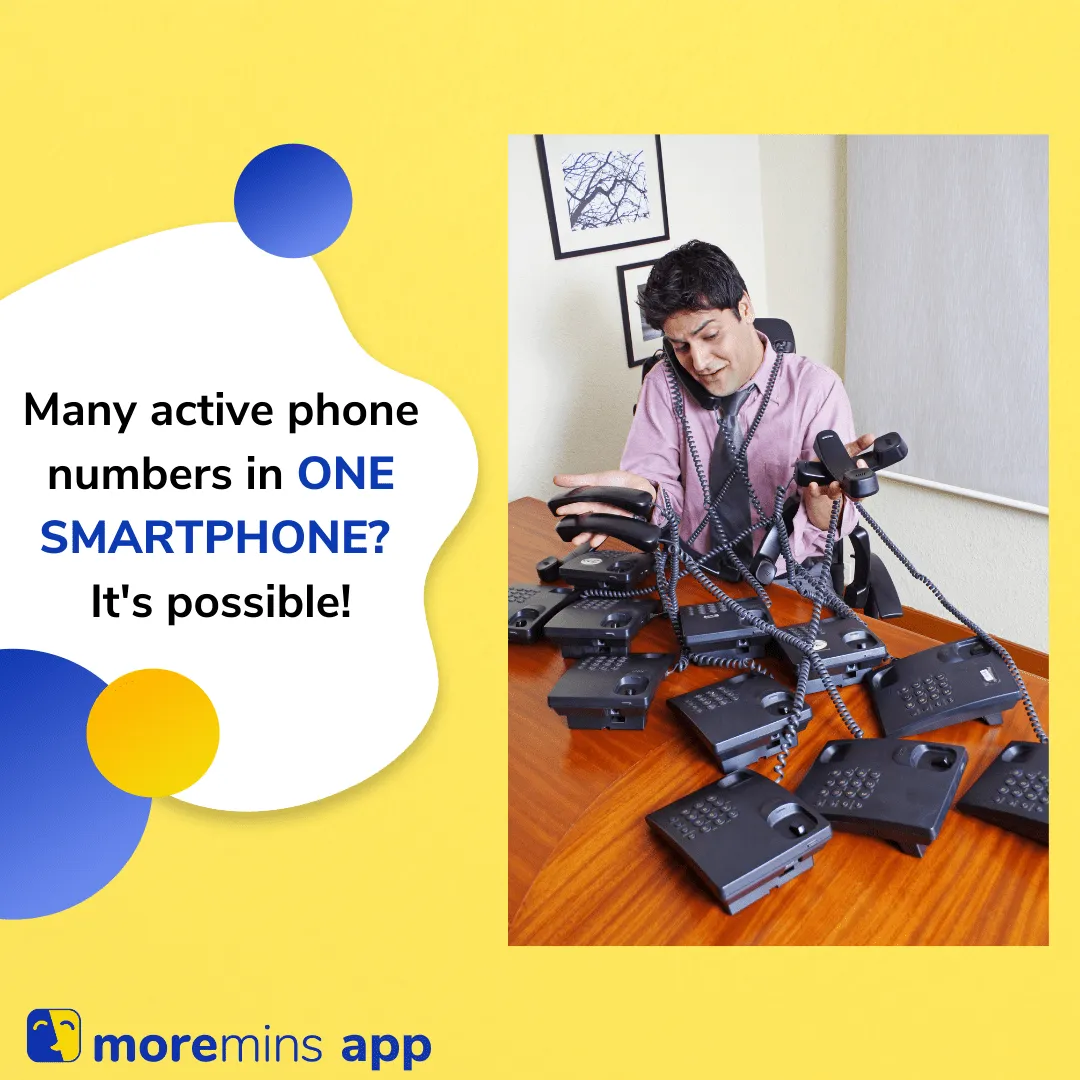
Two numbers can look the same, make the same calls and handle texts identically. Half of the apps on your phone will refuse one of them. Yet it looks as if it should work, even if you pay for it.
The label behind every number
Every phone number lives on a line in a carrier's database, and every line has a type. That is the line type.
The services that deliver verification texts query for it before sending a code.
Twilio's Lookup service, commonly used for this, returns a number of types.
None of them is visible in the number. You get exactly the same number of digits to remember, whether the number is a VoIP one or a city-centre mobile number.
Why apps care
A virtual VoIP number is cheap to generate and test, quickly and anonymously. That makes it a practical choice for people who need to make fake accounts in bulk, or even for legitimate users. A mobile number costs more and is much slower to generate. That makes line type a useful heuristic for services which want to block fake signups while encouraging genuine ones.
Some will be blocked, regardless. NIST, the US standards body, states in its digital identity guidelines that methods which do not confirm possession of a dedicated device, such as a VoIP number, shouldn't be used to deliver login codes. WhatsApp's online help articles warn that VoIP numbers can't even be registered. Yet apps are not judging by what they see in the number, but by what's stored in the carrier's database.
"Virtual" does not mean "VoIP"
For the most part, the terms are assumed to be interchangeable. For the purposes of signing up to an app, they aren't. "Virtual" indicates the location: within an app, in the cloud. "VoIP" indicates the type of line used by the number, which the carrier registers with the number.
A number can be on an app and a mobile range, for instance. That is what MoreMins claims for its temp numbers: that it issues an actual mobile number, not a VoIP one, within an app. That allows it to work with most services' restrictions on numbers used to register. When you buy a temporary phone number from anywhere, it is the line type that you have to consider first.
How to find out what your number is
- Query the provider. 'Is this number classed as mobile or VoIP?' If they give a direct answer - a good sign.
- Run a lookup. A few number lookup services will provide you the line type and carrier for the number you enter.
- Test it. Get a code from a service you've used before. If the text shows up, the number met that service's test.
Which one do you need?
VoIP numbers aren't bad numbers. They are cheap, flexible and easily manageable for a team. If most of what you want is a business line that will receive calls, VoIP will suit you.
Use a mobile number for your sign-ups and login codes. And use the SIM in your phone for your bank.
US numbers mean that this lookup is inevitable, as landlines and mobiles use the same area codes in the US.
Questions about VoIP numbers
What is a VoIP number?
A number that the carriers consider to be an internet line rather than a fixed or mobile line. It is a number on which you can make and receive calls over the internet.
What is a non-fixed VoIP number?
A VoIP number purchased online without a physical device or address behind it. Due to the ease of creating bulk numbers, many verification services don't send to this type of number.
Why do some apps reject VoIP numbers?
They will verify the line type before sending you the code and consider VoIP as more fraud risk. WhatsApp, for example, also considers VoIP numbers not supported.
The short version
Your apps aren't reading your digits. They're reading your line type. If you care about the code, use a number that's classified as mobile, whether it's on a SIM or in an app.