
International calls are no longer something you plan around with timers. The days of forty cents a minute calls, hasty hang-ups, and apologising for short phone conversations are almost behind us, yet many still overspend on them without noticing in 2026. Here's where all that money is actually going and how to save yourself some cash.
Why you're being overcharged
Check your last bill; if you've ever made an international call, the charge is probably between 50c and $3 a minute, with connection fees to boot. It's no wonder companies charge so much, as customers hardly shop around for international calling rates like they do for data packages. Those tiny minutes here and there add up over the year, never quite registering as significant expenses.
And roaming is even worse; a two-minute call from Athens to Chicago will hit you with $15 on your bill; you don't need the math to make sense; the bill still comes.
Five ways to actually save cash on international calls
Some of these will seem obvious, others less so; nevertheless, the order really matters. Stick with the first one and skip the rest, and your bill will drop significantly.
1. Switch your outgoing calls to a calling app
This is your biggest lever and is incredibly easy to pull; apps like MoreMins will route the call through the internet, meaning you'll be charged at the data network rate, not the carrier rate. The result? Between one and 15c a minute depending on where you call. There's no need for SIM swaps, contracts or surprise charges, as you can check the call rate to your specific country before you top up.
If you regularly make cheap international calls to the same few people each week, then this single change will do 90% of the work for you.
2. Purchase a virtual number in your most called country
This method reverses the usual problem; instead of paying to make a call, you give the other person a number they don't need to pay for to call you.
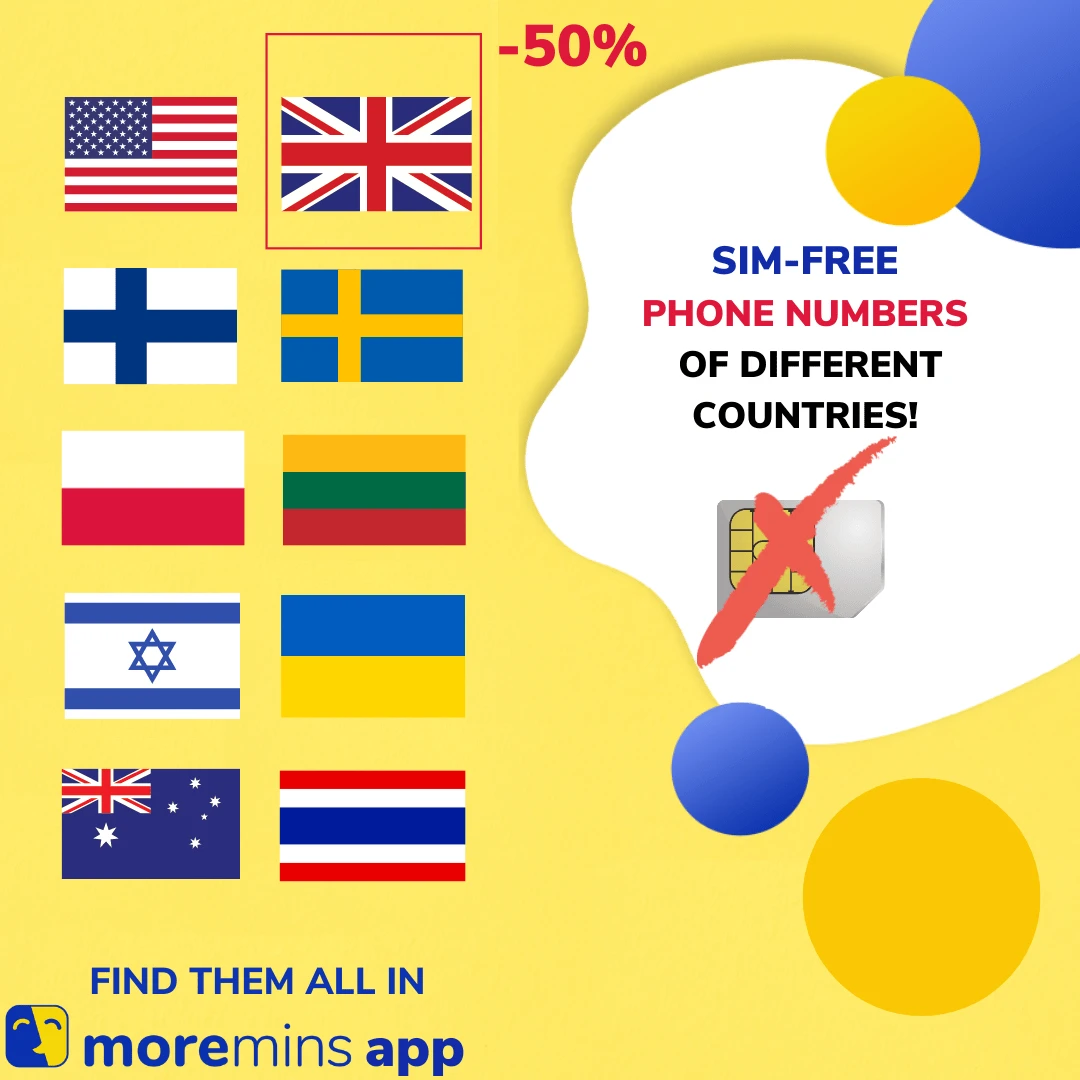
Perhaps you live in Poland but conduct business in London; having a UK virtual phone number means they can call you through the app and you'll pay only a local or no fee. Or perhaps you're studying in Madrid but want your parents in Texas to call you without hesitation; with a US virtual number, this will be a non-issue. Numbers can be purchased in over 50 countries from $0.99, and you can look through the full virtual phone number options to see what suits you.
3. Forget roaming - use Wi-Fi or eSIM data instead
If you're travelling, your cheapest international call is one your current provider never knows you've made. By using the hotel Wi-Fi, you pay nothing more for calling your family than you would at home, and if you're out and about, an eSIM data plan is far cheaper than international roaming charges. Make your call over the data from your eSIM using your calling app.
4. Pay attention to connection fees
This is the part many people overlook. My friend switched to a cheap VoIP service last spring. He called his mother in Mexico and only spoke for 40 seconds, but he still got hit with 12 cents for the call; two of which were a per-minute charge, and 10 cents for the connection fee. He didn't notice this until after a week of short calls had added up.
Be sure to read the fine print, as apps with both per-minute and connection fees are expensive for short calls; those same connection fees will soon add up when making multiple quick calls a day.
5. Use WhatsApp or Viber whenever possible
When the person you're calling is on the same app as you, the call is free; therefore, it's always worth defaulting to this where possible, although the only downside is that the other person must also be on the app. Landlines or dentists calling with a new appointment time are exceptions to this rule.
For any other numbers, you will need a real calling service.
International calls in 2026 - breakdown of costs
Here's how the cost per minute compares across the main options:
| Method | Cost per minute |
|---|---|
| Standard mobile carrier | $0.50 - $3.00 |
| Carrier "international add-on" | $0.10 - $0.40 |
| Pre-paid calling card | $0.05 - $0.30 |
| VoIP calling app (MoreMins, etc.) | $0.01 - $0.15 |
| WhatsApp / Viber (app to app only) | Free |
As you can see, the cheaper range for VoIP is 50 times cheaper than the lower end of your mobile carrier, while the WhatsApp column is useful only when you and the person you're calling use the app; this is common for close family members and rare for businesses or relatives who have yet to upgrade their phones.
How MoreMins fits in
Download the app, add $10 to your account and make the call - it's really that easy. The app is available on both iPhone and Android, and you can use it two ways: dial out from your own number at a cheap rate, or pick up a virtual number so people can call you in. Incoming calls and SMS on a virtual number are free anywhere in the world, while outgoing international calls only cost a few cents a minute. There's no need to sign contracts or change your SIM; plans start at $0.99 a month, but you can also keep a credit on your account and only pay for calls when you make them.
For travellers not carrying a local SIM, a virtual SIM from MoreMins allows you to do away with swapping SIMs altogether.
Download the app here from App Store, Google Play and Huawei AppGallery.



Three habits that slowly drain your money
Don't make outbound calls using your current SIM while abroad; no matter how short the call, the combination of roaming and international rates will always be a shock and often won't appear on your bill for over a month, which is too late for disputes.
Don't assume that generic lists for "cheapest international calls" are accurate for your country; a calling app might offer the cheapest call to France, but cost ten times more to the Philippines. Always check the cost to the exact country you're calling, as averages can be misleading.
Don't tolerate poor call quality. A dropped call that needs to be re-dialled can end up being more expensive than expected; always ensure your Wi-Fi connection is stable. LTE often struggles with weak connections when compared to a strong Wi-Fi connection; if a call is poor, try an alternative app; the underlying network can have a dramatic effect on call quality.
What's the real answer?
If you have several friends or family members who live abroad whom you call regularly, download a VoIP app and top up your account. To have calls made to you, acquire a virtual number for the countries you most frequently get called from, and if you're travelling, opt for an eSIM data plan and utilise Wi-Fi when you can. It takes literally minutes to set up these services and you can banish the international calling charge on your bill forever.
Not sure which is best? The FAQ page has all of the answers.