
Family living overseas? Collaboration across borders part of daily routine? A chance encounter during travel leads to long-distance connection. Each case shares one truth: global calls cost less now than at any point before. Yet savings appear solely when choices are informed.
Despite expectations, pricing remains excessive
It is like this. International calling gets enabled by your mobile provider, naturally. Still, a price applies, between fifty cents and three dollars each minute. Connection charges may appear too.
What happens when you travel might surprise you. Touch down abroad, dial a short call back, yet face a fifteen-dollar fee without warning. This experience connects many users across borders.
Phone providers understand that users rarely check overseas charges beforehand. This delay forms a core part of how they operate.
Voice through internet, complex term, clear idea
Internet-based voice calls define VoIP. Not complex, just a technical term. The connection moves through online networks rather than traditional cellular infrastructure. Signals follow data pathways similar to email or streaming. No physical phone lines involved in transmission. Digital conversion enables conversation across global connections. Routing occurs via servers distributed worldwide instead of local masts.
Streaming songs happens daily. Videos play through networks routinely. Images move online without effort. Communication by voice? That travels as information too. Information costs little now.
Voice over internet protocol makes international conversations remarkably affordable. A single minute might require only one cent, sometimes up to fifteen. Exact figures depend on destination.
What then remains as a possible choice?
One comes first among four options. Tradeoffs appear within every choice made here. Though each differs, none escape compromise entirely.
One option for reaching phones abroad involves internet-based services such as MoreMins. These platforms connect calls through data networks instead of traditional lines. A virtual number might be assigned, allowing others to contact you at lower rates. When real-number dialing matters, this kind of system often fits best.
Three apps. WhatsApp, Telegram, Viber. Cost nothing to use. Yet a condition applies, both users must install identical software. A call through WhatsApp reaches only those who also run it. Landlines stay out of reach entirely. When one party lacks access, say, an older relative without the program, connection fails by design.
Still seen sometimes, calling cards let users add funds before making calls. One dials an entry code first, followed by the destination number. Sound clarity varies without warning. A few defend their usefulness strongly. For many others, interest has quietly faded.
Should your mobile provider include global call options, one extra fee covers it. This option exceeds earlier costs, yet installation is unnecessary. Paying for ease comes at a cost. When simplicity matters, expenses rise.
MoreMins, how it functions
Begin by downloading the application. Available for both iPhone and Android devices.
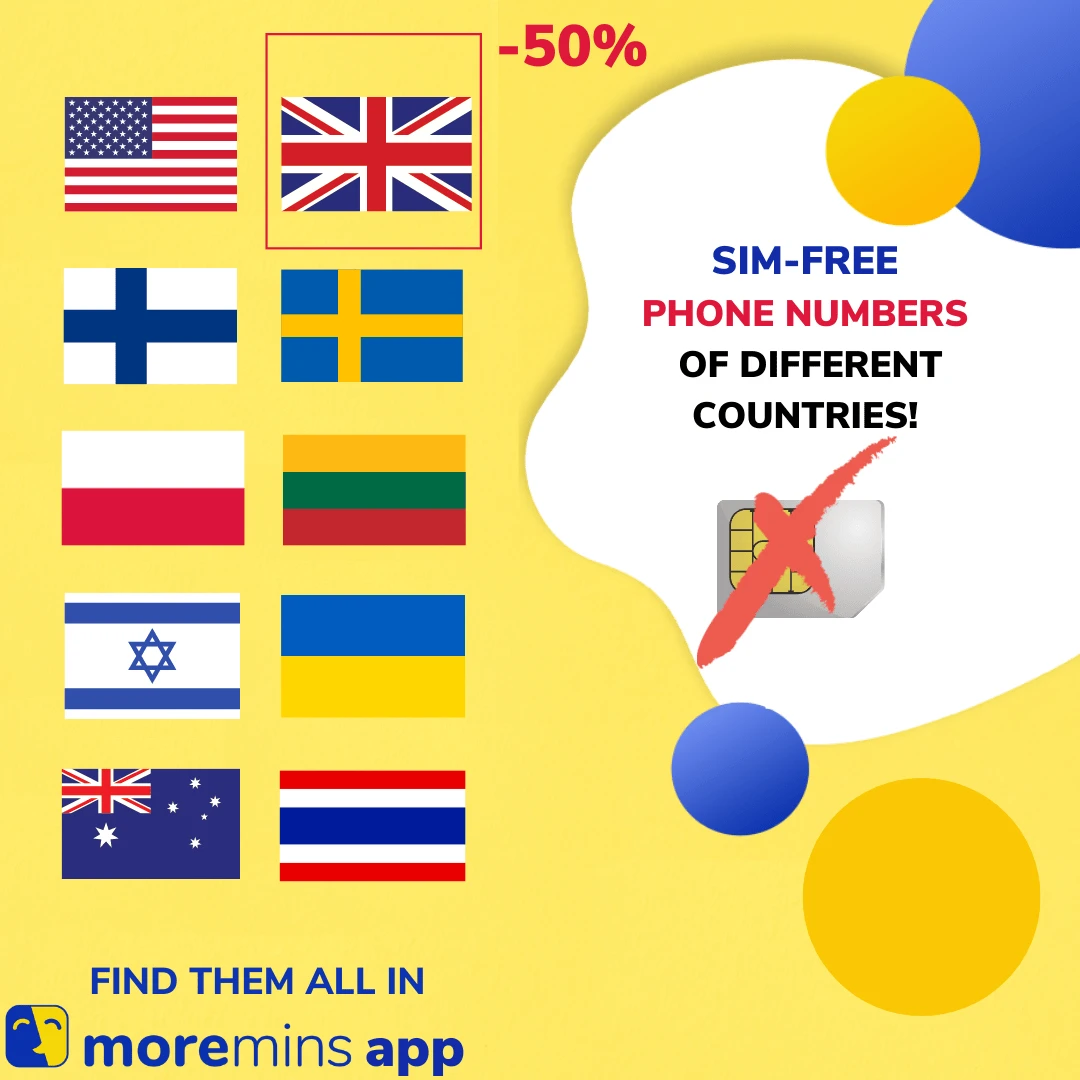
One path allows personal digits for low-cost global conversations via the software. Alternatively, obtain a digital line tied to any of over fifty nations. Incoming contact reaches the program directly when others dial. Calls received, along with text messages, carry no charge anywhere on Earth. A small fee applies when making outgoing voice connections.
A blank slot where a SIM would sit. Commitment does not exist here. Starting at ninety-nine cents each month, access unfolds, alternatively, credits enter manually, used only when needed.
One might choose a foreign virtual number for practical purposes. Living in Poland while serving customers in the UK could make a local UK line useful. A caller there avoids international fees when dialing such a number. An American studying in Spain may keep contact simple by holding a US-based line. Relatives back home then reach them without extra cost or complication. Location shifts, yet connections stay within familiar formats.



Things people forget (and then regret)
Beyond all else, avoid using your standard mobile provider for overseas calls when traveling. Charges accumulate through roaming fees combined with international rates. The result appears clearly on your next invoice. Few expenses leave such a lasting impression.
Price differences exist across VoIP applications. One platform may charge ten cents per minute to reach the United States from Europe, while another asks just one cent. Before selecting a provider, examine fees tied to your destination nation. Specific costs matter more than general claims.
Another point often overlooked involves connection costs. A person I know moved to a low-cost VoIP provider recently. He phoned his mother in Mexico, spoke briefly, around 40 seconds, and saw a charge of twelve cents. Two cents came from the minute rate; ten cents were added as an access charge. This pattern repeated across several uses before he noticed. Look into whether your calling application applies separate setup charges beyond time-based billing. Some platforms include such fees, others do not. Differences become clear when calls are brief. Longer conversations may hide the impact, yet short ones reveal the structure clearly.
Better call clarity often comes with Wi-Fi use. That way, mobile data stays untouched. While traveling, this choice makes a noticeable difference.
The numbers (what international calls cost in 2026)
Pricing shifts depending on how you connect:
| Method | Cost per minute |
|---|---|
| Your mobile carrier | $0.50 - $3.00 |
| Calling card | $0.05 - $0.30 |
| VoIP app (MoreMins, etc.) | $0.01 - $0.15 |
| WhatsApp / Viber | Free (app-to-app only) |
When both individuals use WhatsApp, communication happens there naturally. Yet reaching someone by traditional phone line shifts the situation entirely. A VoIP application handles such international calls at far lower cost. The difference in price becomes obvious almost immediately.
So that covers everything. Making calls across borders can now cost much less. This was not always the situation.